No announcements available at the moment...
No announcements available at the moment...
A range of versions of the M2 and Mas ore wagons never seen before in H0 scale
About the prototype
At the beginning of the 20th century, the growing demand for iron ore meant that the M1 wagons then in use no longer met operational requirements. As a result, suitable alternatives were sought. Initially, 400 wagons of the so called 1900 type were ordered and delivered by 1902. These were later supplemented by another 50 wagons of the 1902 type, distinguished by having brakes only on the two outer axles. Many of these wagons were converted into ballast wagons after being retired from service on the Malmbanan and some remained in use until the 2000s.
In 1903, LKAB received an additional 150 wagons featuring a modified body and once again equipped with brakes on all three axles. In 1906, SJ also acquired another 105 wagons of this 1903 design. However, as the demand for iron ore continued to rise sharply, there was once again a need for more cars. The optimal solution was eventually found with the 1908 type. These new wagons combined the underframe of the 1902 type with the body of the 1903 series, with brakes only on the outer axles but with a redesigned superstructure. Between 1908 and 1931, a total of 2,730 wagons of this type were built for SJ and LKAB.
After the Second World War, the demand for iron ore continued to rise, and the permitted axle load was increased to 18 tonnes. This made new wagons necessary. The result was the 1950 type — a three-axle wagon featuring a more modern braking system and a welded body. By 1952, a total of 1,740 wagons of this type had been built. In addition, SJ’s main workshop in Notviken (Luleå) converted 1,400 older wagons, equipping them with new welded bodies similar to those of the 1950 type.
After the unsuccessful trial with the three axle Mar cars between 1957 and 1961, the Mas remained in service until January 1986, when the last three-axle train was unloaded in Svartön.
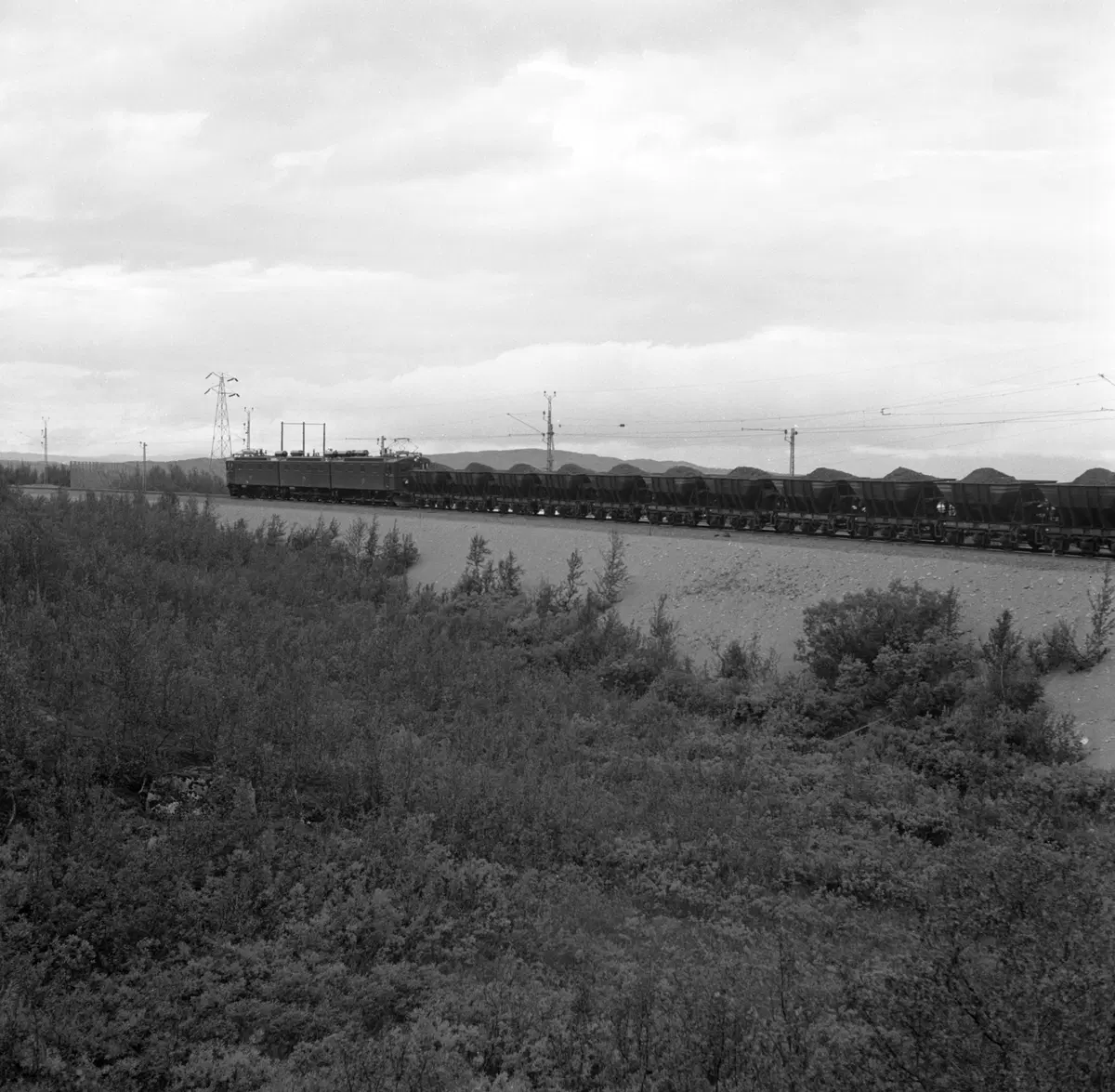
We have decided to revisit all variants of the M2 / Mas wagons in order to develop particularly accurate models. In doing so, we place great emphasis on reproducing small details that have often received little attention until now.
Moreover, no manufacturer has so far offered a comprehensive range of different versions. At the beginning of electric traction on the Malmbanan, some test trains operated with up to 40 wagons, and over time the trains became even longer. Thanks to the short length of the M2 and Mas wagons, such train lengths can also be realized in model form, provided that there are enough different running numbers. To depict a realistic 40-wagon train, at least 40 distinct variants are required. Existing model series have only represented a limited number of variants, so our aim is to offer a particularly comprehensive range.
Over the years of production, numerous details changed such as steps, handrails, and lettering, aspects that have so far received little attention. We have made it our mission to recreate the Mas and M2 wagons as precisely and authentically as possible in H0 scale, taking all the small details into account, of course while incorporating the usual model railway compromises such as RP25 wheelsets and NEM short-coupling mechanisms.
Work on this large-scale project began back in 2023, quietly and without any public announcements. Naturally, there wasn’t much exciting to report in this early phase. We focused on advancing development carefully and aim to provide our customers with reliable results.
In the meantime however development has progressed significantly: we expect to be able to deliver the first models of the 1950 type in the first half of the next year. The time has therefore come to present this project to the public.
A precise schedule for the remaining variants has not yet been determined, but it will be published as soon as we can provide a more reliable estimate, naturally also depending on the success of the first series. If you don’t want to miss any important news, check the “Announcements” section regularly. There, you will always find all the latest information first.
As the first model, we are planning the 1950 type wagons in various running numbers for SJ and LKAB. Naturally, all details will be taken into account, such as the different step designs, the two types of buffers, and the sometimes differently arranged handrails, with each detail accurately represented according to the running number. Due to the longer service period, there will also be wagons with different maintenance dates, ensuring there is something for everyone.
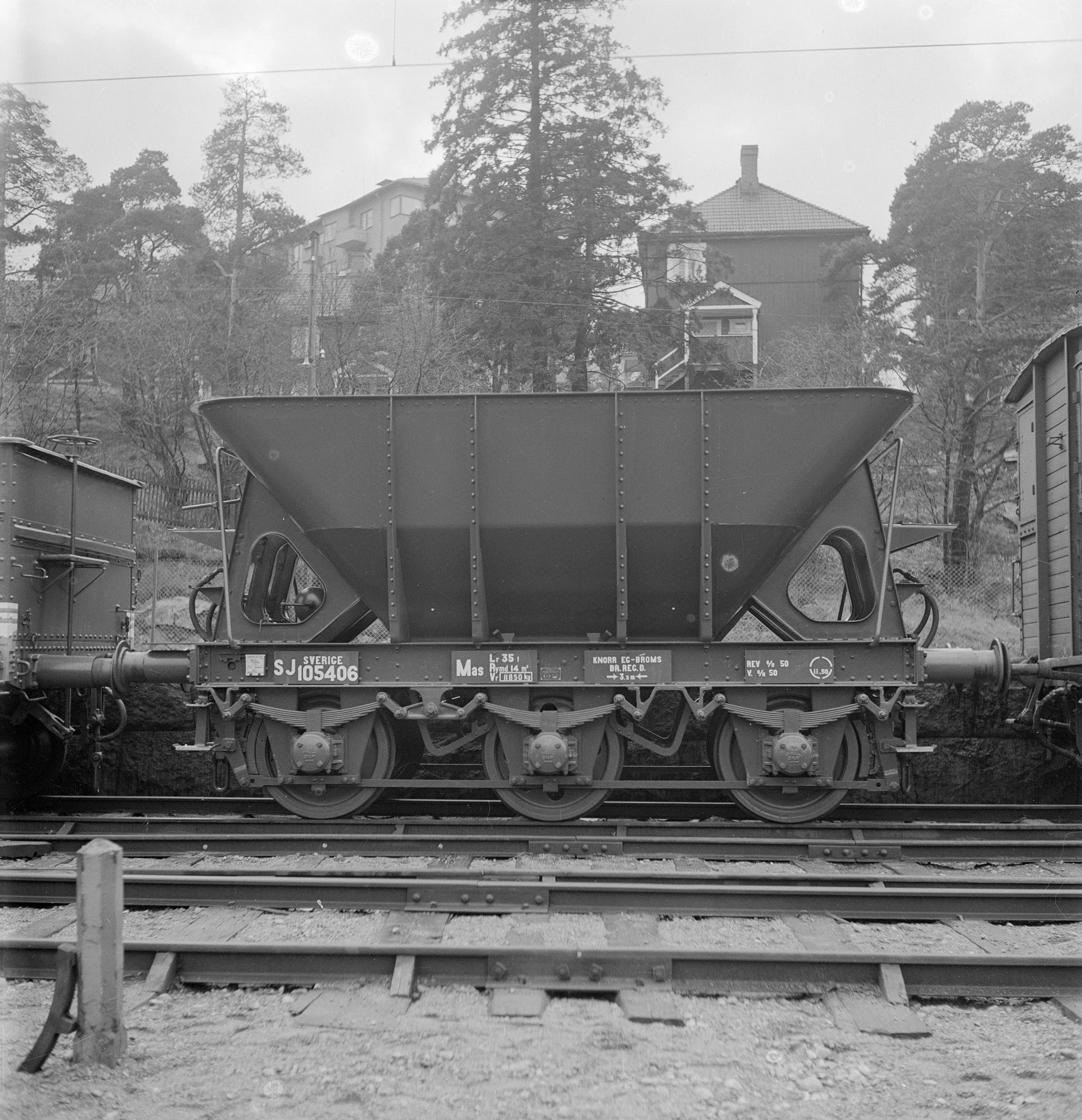
After the delivery of the 1950 type, the 1950s converted wagons are planned, also in various running numbers for both companies. The quality standards will, of course, be the same as those of the 1950 type wagons.
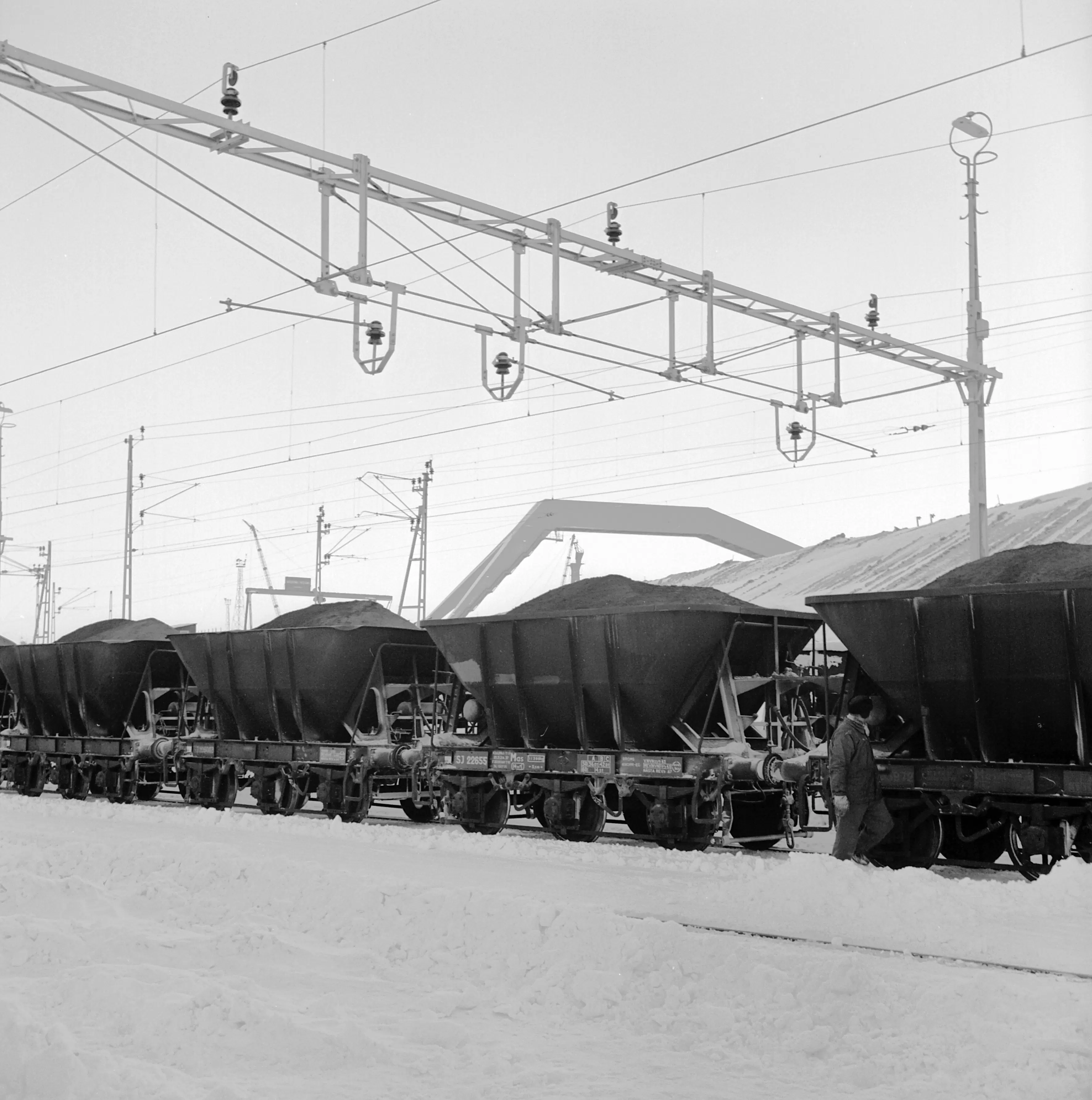
After completing the two 1950 models, we plan to produce the standard wagon from the first half of the 20th century. Since many components of the underframe can be reused, this should be accomplished relatively quickly. Many of these wagons were converted for gravel transport after their service on the Malmbanan. Even though such a version is not currently planned, it would still be feasible if there is sufficient interest, the necessary plans are, in any case, already available to us.
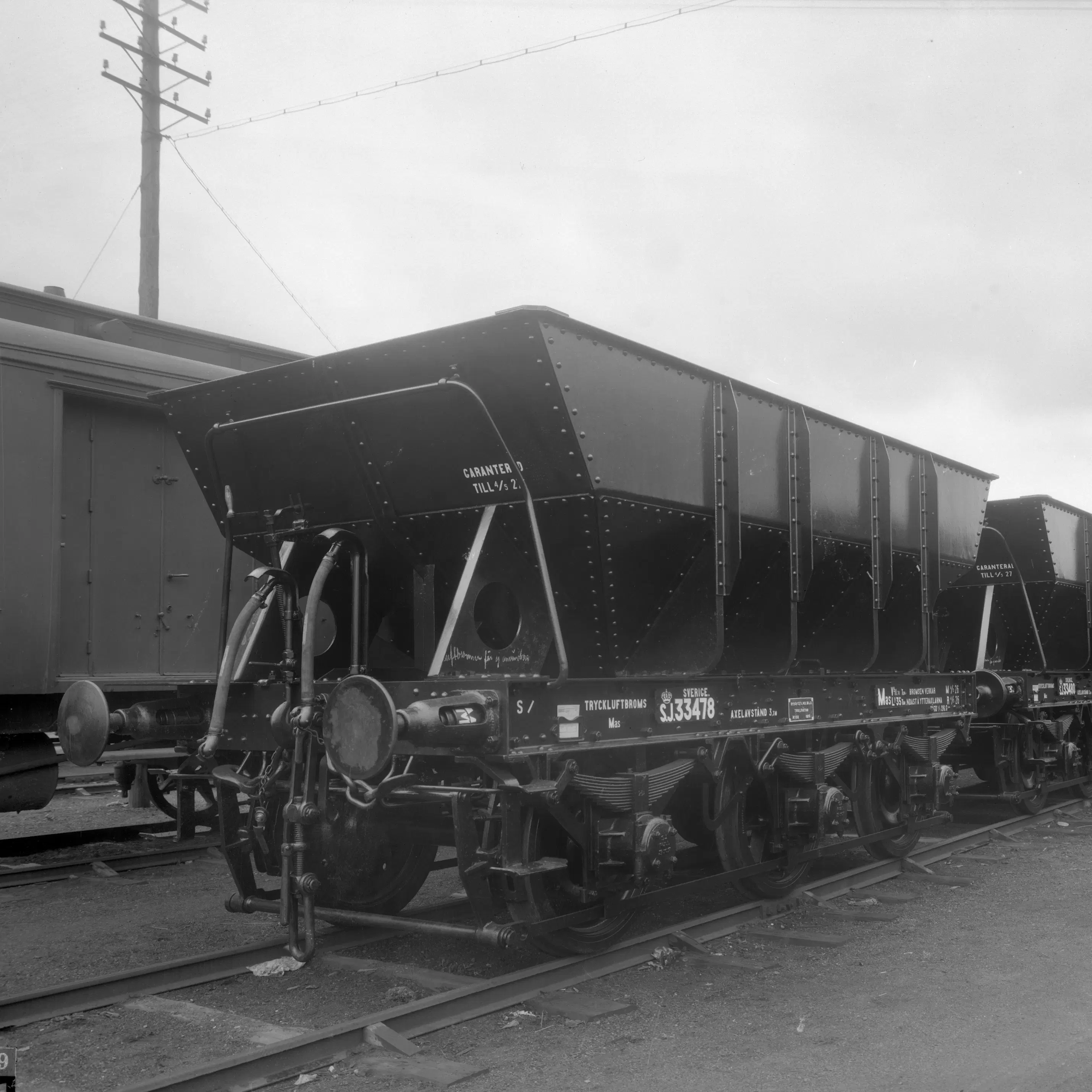
Following the 1908 type wagons, the 1903 wagons will be produced, but only in a relatively small series. This model should become available relatively quickly, as the wagons are quite similar to the 1908 version and some parts can be reused.
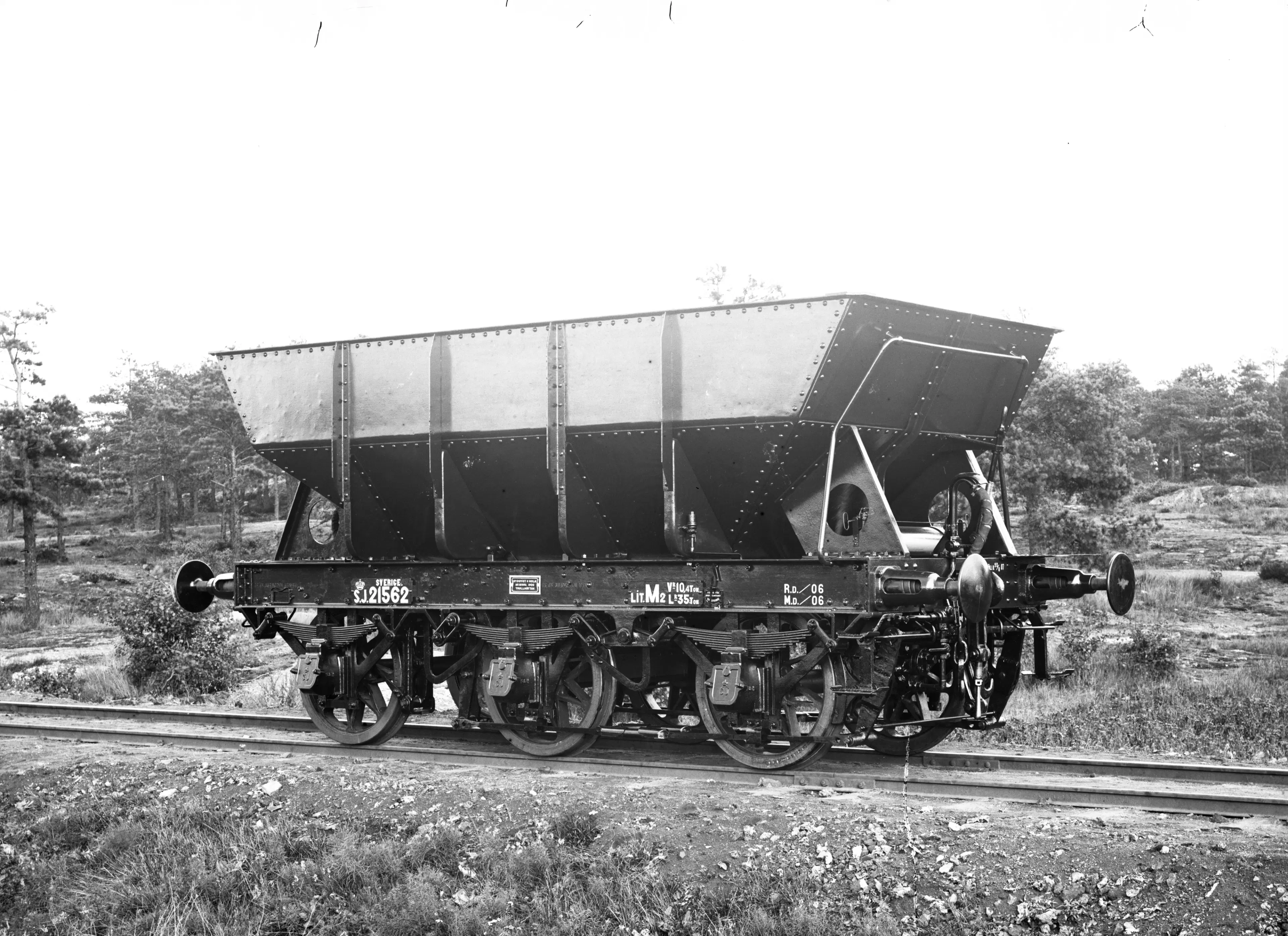
Later, the 1902 wagons are also planned for production, but again only in a small series. There is also the possibility of a version for gravel transport, provided there is sufficient interest, as some of these wagons were converted for gravel transport after being retired from service.
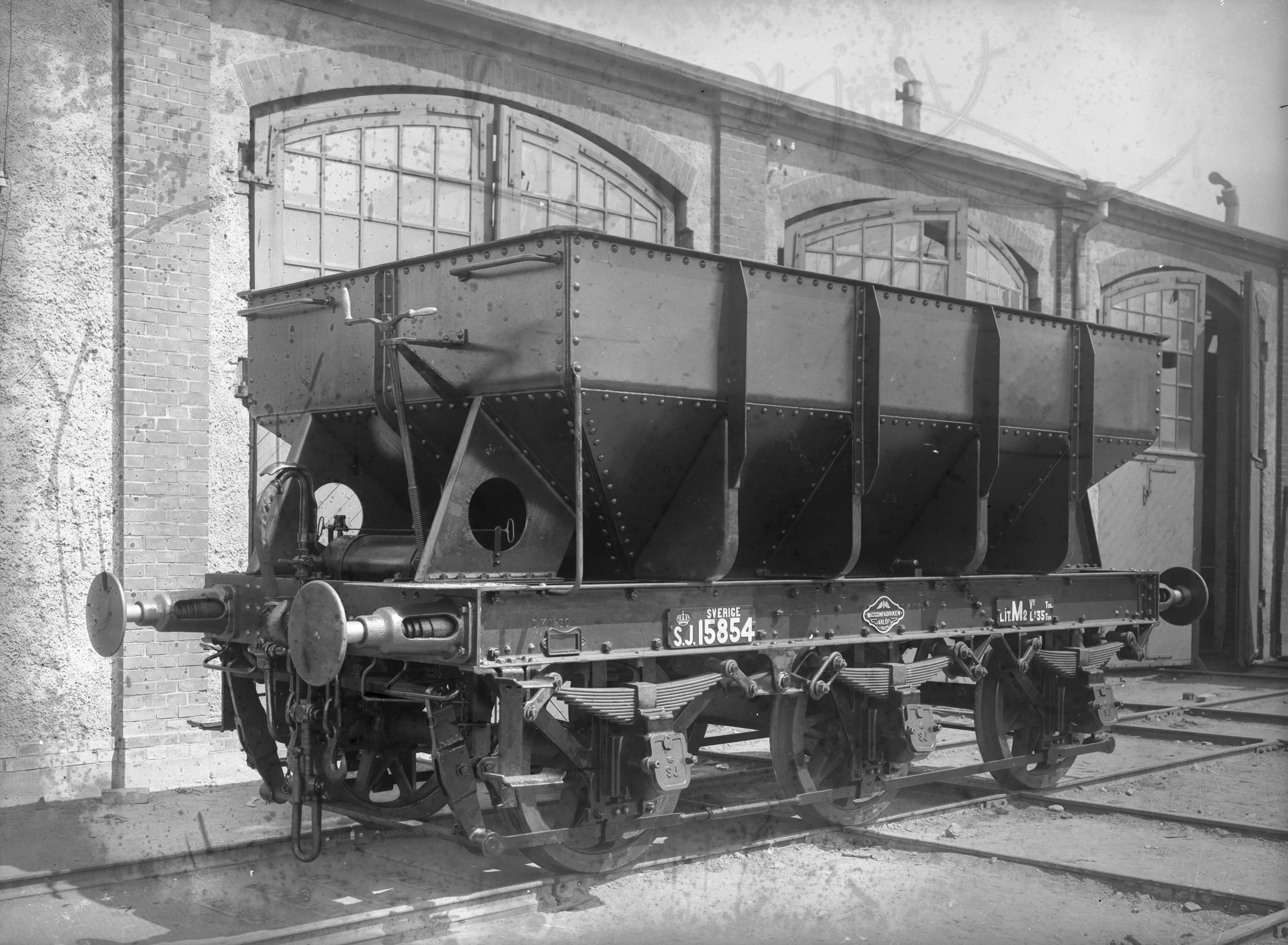
Also planned, but scheduled for last, is the release of the original 1900 model, the very first of the M2/Mas cars.
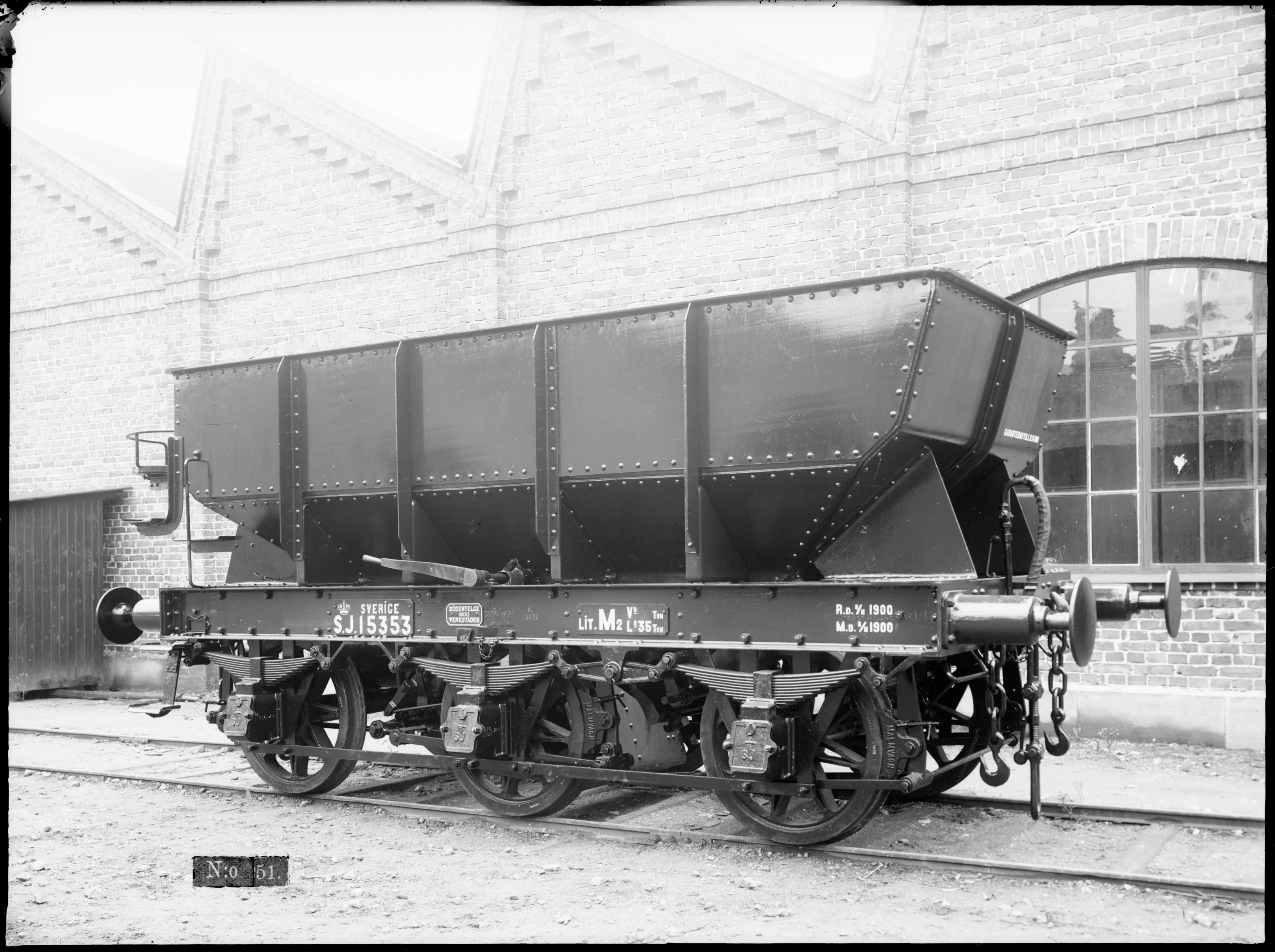
With the introduction of the UIC system in 1967, the Mas wagons were renamed Ud, although many were not actually renumbered until later. Assuming the success of the earlier projects, we also plan to release the Ud wagons, accurately representing all variations according to running number. If necessary, this project may be brought forward, more details will be provided in the announcements at the appropriate time.
For the transport of iron ore pellets, some of the Mas/Ud cars were converted and fitted with a higher superstructure. These wagons will also be produced, including all prototype details.

Starting in 1980, the wagons were renamed once again, with the Ud wagons now designated Foo. It is unclear how many of the wagons were actually marked with Foo before being retired, but some certainly carried this designation and will therefore also be produced as models.
Just like the Ud wagons became Foo, the Udp wagons were also renamed in 1980 and designated Foo-x. Here too, it is unclear how many wagons were actually marked with Foo-x, but some are confirmed, and these running numbers will therefore also be reproduced in the model.
Information about project progress and important announcements can be found here. Feel free to bookmark this link so you don’t miss any updates.
No announcements available at the moment...